

If you’re wondering what you can do with a Human Resources certificate, start here: an HR certificate can help you qualify for entry-level HR roles, move into a specialist track, or strengthen a career change by acting as proof of practical, relevant skills you possess.
A certificate can show employers you’ve learned specific HR skills, such as recruitment, employee relations, HR data, or compensation and benefits. The roles and salary it can lead to depend on the program you choose, the experience you already have, and the skill gap you’re trying to close. This article looks at what you can prove with an HR certificate, the kind of HR jobs you can get with it, and how to use it to advance your career.
Contents
What a Human Resources certificate proves
Jobs you can do with an HR certificate
4 key skills an HR certificate indicates to employers
How far an HR certificate can take your career
How to turn your HR certificate into a career move
Key takeaways
- An HR certificate proves capability and shows you can apply HR skills at work, which helps when employers don’t require a degree for every role.
- It can support a clear band of roles. A certificate is most useful for entry- to mid-level jobs, such as HR Assistant, HR Coordinator, HR Generalist, and specialist tracks.
- Recognition can add long-term value. Some HR certificate programs can support SHRM or HRCI recertification activity once you hold a formal HR credential.
- An HR certificate is just a starting point. Your return depends on the role you target, the skills gaps you close, and how clearly you show your new skills.
What a Human Resources certificate proves
Before you decide what to do with a Human Resources certificate, it helps to know what you’re holding. Some people may think a certificate, certification, and degree mean the same thing, but employers think otherwise.
A certificate shows you’ve completed a structured learning program, such as an online HR certificate covering recruitment, employee relations, or people analytics. A certification, such as the SHRM-CP or an HRCI credential, usually means you passed an exam after meeting eligibility requirements. A degree, on the other hand, is a multi-year academic qualification.
Each serves a different purpose. A certificate proves you’ve learned and practiced a defined set of HR skills, which can help if you apply for HR support roles, change careers, or move into a new HR specialty. However, it doesn’t replace years of experience, and may not replace a formal certification or degree for employers that require one. Knowing this boundary helps you point your certificate at the right jobs.

Jobs you can do with an HR certificate
An HR certificate is most useful at the start and middle of your HR career. While it likely won’t qualify you for a directorial role on its own, it can help you get on the HR career ladder and build from there. Here are the roles an HR certificate most commonly supports:
HR Assistant or HR Coordinator
The HR Assistant or HR Coordinator role is a classic entry point into HR. In this role, you may support recruitment logistics, onboarding, HR records, employee questions, and daily HR administration. A certificate helps because it shows you understand basic HR processes before you step into the role. which can set you apart from candidates who have administrative experience but no HR training.
It also gives you a practical view of how an HR team works. This makes the next step easier, whether you move into recruitment, operations, employee relations, or a generalist role.
HR Generalist
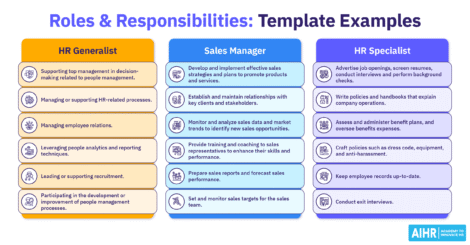
An HR Generalist handles a broad mix of HR work, including recruitment, employee relations, policy, benefits questions, HR compliance, and performance support. This role is a natural next step after coordinator work. It can also suit career changers from office management, operations, customer service, or administration. A broad HR certificate fits this path well because it helps close knowledge gaps across the employee life cycle.
Recruiter or Talent Acquisition Specialist
If you enjoy sourcing, screening, and hiring, a certificate with recruitment content can help you become a Talent Acquisition Specialist. Recruiting is one of the more accessible HR specialties, and it gives you a visible business impact because hiring affects team capacity, productivity, and growth. A strong certificate should help you learn how to write job criteria, structure interviews, reduce bias, and improve candidate communication.
Compensation and Benefits Specialist
A C&B Specialist works with pay structures, benefits administration, job analysis, and related data. This is a more technical HR path, so employers may expect stronger analytical skills. A focused Human Resources certificate can help you understand the language of pay, job levels, salary benchmarking, and benefits design. It can also help you decide if this particular specialist path fits your strengths.
Learning and Development Specialist or HR Business Partner
As you gain HR experience, certificates in areas like learning and development (L&D), people analytics, or HR business partnering can help you move beyond generalist work. An L&D Specialist designs, delivers, and measures employee training. A certificate can help you show you know how to build learning programs, set learning goals, and measure results.
An HRBP works with leaders to connect people decisions to business goals. A focused certificate can help you build consulting, stakeholder management, and data skills for that path.
There’s one caveat that applies to all these roles: a certificate makes you a stronger candidate, but it competes with experience, networks, and sometimes a degree. It works best when it closes a specific gap the hiring manager has prioritized.
Choosing an HR certificate program is easier when you can see how the learning connects to real HR work. From HR operations to analytics, talent acquisition, and strategic HR, the right learning path can help you build practical skills for your next step.
AIHR’s Demo Portal lets you explore practical HR learning by:
✅ Sampling HR lessons to see which topics match the roles you’re aiming for
✅ Browsing practical tools, templates, and guides used in day-to-day HR work
✅ Exploring different HR career paths and identifying the skills each one requires
✅ Using AIHR Copilot to get learning suggestions based on your goals and interests
🎓 Visit the Demo Portal to preview Certificate Program lessons and explore the skills you could build next.
4 key skills an HR certificate indicates to employers
The strongest HR certificate programs build skills that help you take on real HR tasks. The following skills are especially valuable in HR:
1. People analytics
People analytics is the use of HR data to understand workforce trends and make better people decisions. A certificate in this area can show you’re comfortable with HR data, dashboards, and basic analysis. That’s useful even in generalist roles, where leaders may expect HR to explain trends in turnover, hiring, engagement, or absenteeism. For example, you might use people analytics to spot high turnover in one department, then work with managers to review workload, leadership issues, or pay concerns.
2. AI in HR
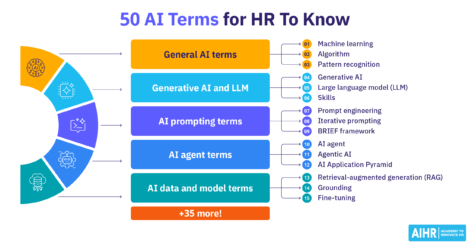
Artificial Intelligence is becoming part of recruitment, employee support, HR administration, and learning. A certificate that covers AI in HR can signal that you know how to use these tools responsibly. This includes checking outputs, protecting employee data, reducing bias, and knowing when human review is needed. This skill can help you work faster without treating AI as a shortcut for judgment.
3. Business partnering and consulting
Business partnering is about connecting HR work to business needs. Consulting skills help you ask better questions, diagnose problems more accurately, and advise stakeholders. A certificate in this area can show you’re ready to move beyond administration, and can also help you explain how HR work affects outcomes such as employee retention rate, productivity, risk, or strategic workforce planning.
4. Core HR fundamentals
Core HR skills like recruitment, employee relations, compliance basics, compensation and benefits, onboarding, and HR policies still matter.
For entry-level roles, proving these fundamentals can be enough to help you get an interview. For career changers, they help translate your previous experience into HR language. A program that helps you build a dashboard, run a structured hiring process, or design onboarding provides proof you can use.
How far an HR certificate can take your career
A certificate is usually a foundation you build on. A common path starts with an HR Assistant or HR Coordinator role. From there, you may move into a generalist role, a specialist track, or management. According to the U.S. Bureau of Labor Statistics, Human Resources Managers earn a median annual wage of $140,030. You won’t reach that level through a certificate alone, but it can help you take the early steps that build experience.
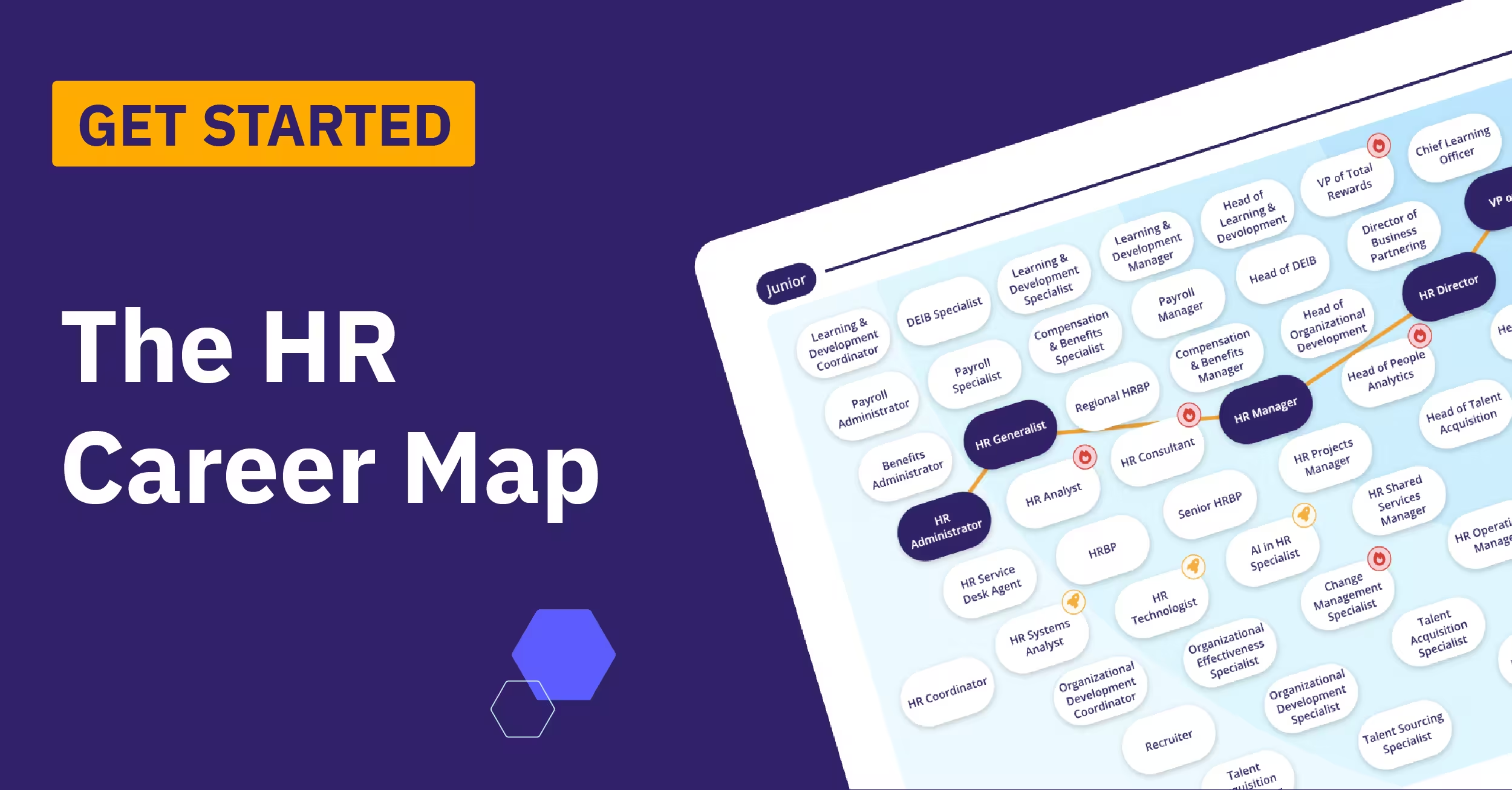
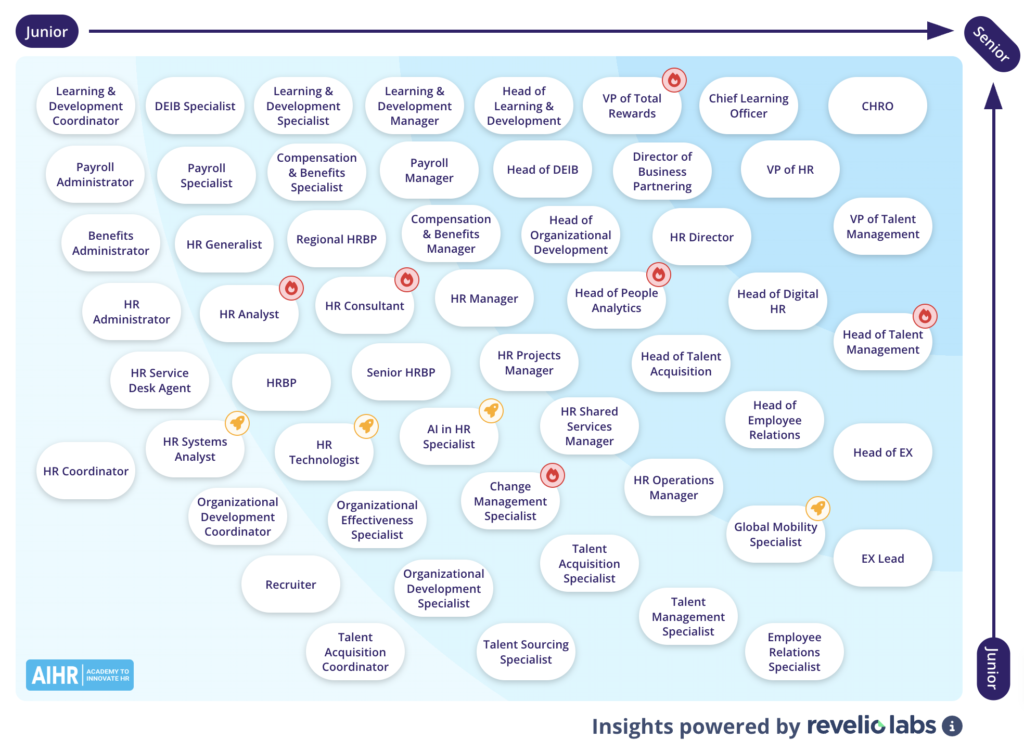
The type of certificate you choose can also shape your path. For example, people analytics certificate can point you toward data-heavy HR roles, while a business partnering certificate can support a more strategic path. If you prefer to plan your HR career path before deciding on which certificate would push you in the right direction, you can use AIHR’s free HR Career Map to help you along the way.
At the same time, recognition can extend the value of your learning. If you later earn a formal credential, such as the SHRM-CP or an HRCI certification, you’ll need to maintain it. SHRM certification-holders need 60 professional development credits (PDCs) within a three-year recertification cycle. HRCI-certified professionals must also recertify every three years through professional development activities or by retaking the exam.
This is where continued learning can do two jobs: help you build new skills and support recertification requirements, depending on the provider and program.
How to turn your HR certificate into a career move
To turn your HR certificate into an actual role that can advance your career, you must have a clear plan:
Start with the role, not the certificate
Decide where you want to be in the next 12 to 24 months. Do you want to break into HR, move into a generalist role, or shift into recruitment, analytics, C&B, or L&D? Start with the role you want, then work backward. This helps you avoid collecting certificates that look good but don’t help you move forward. If you already have a certificate, identify the role it best supports, then target that in your résumé, LinkedIn profile, and applications.
Name the gap and close it
Write down three to five skills your target role requires, then compare them with what your certificate taught you. For example, an HR Coordinator role may require onboarding, HR systems, employee communication, and basic policy knowledge, while Talent Acquisition Specialist role may require sourcing, interviewing, candidate management, and hiring metrics.
If you still have a skills gap, close it directly. A focused program in analytics, recruitment, or employee relations may help you more than a broad certificate.
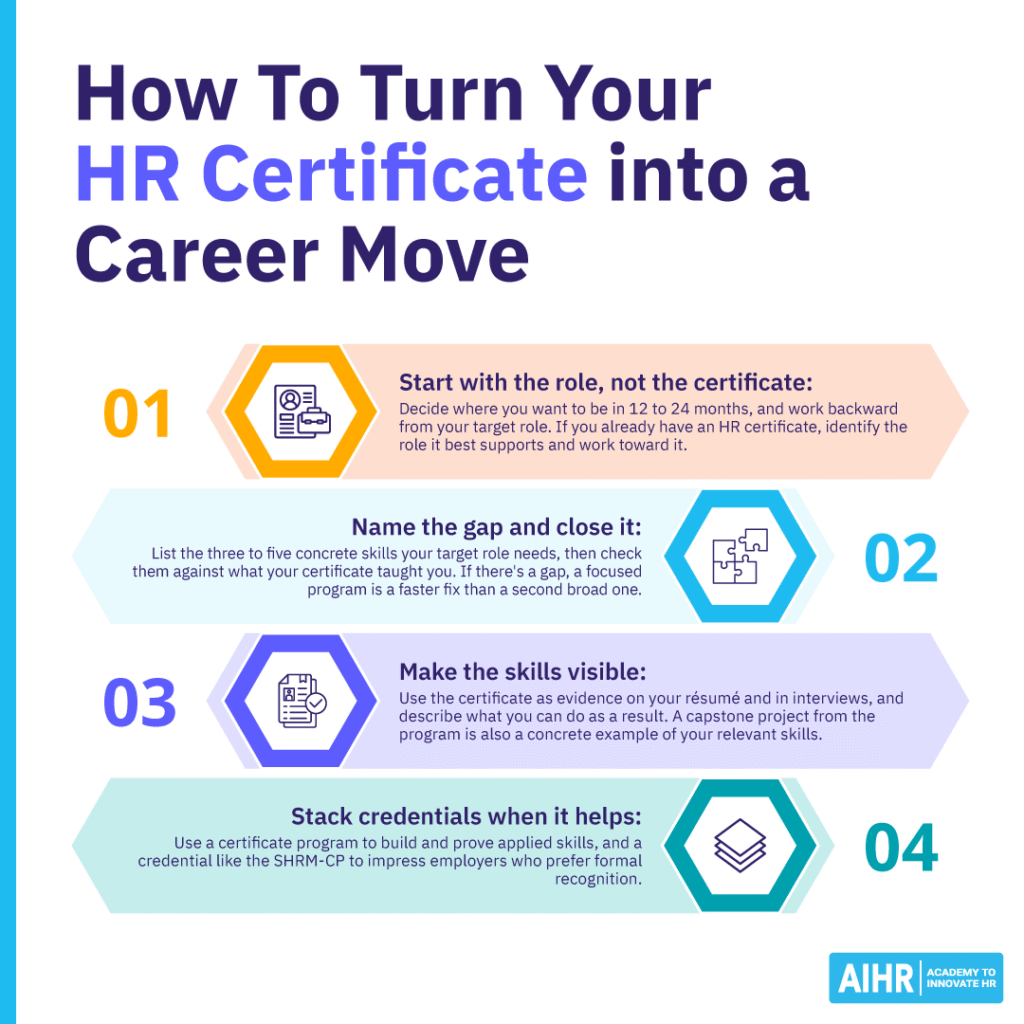
Make the skills visible
Instead of just listing the certificate name on your résumé, translate it into evidence. For example, say what you can now do, whether it’s:
- Build an HR dashboard using turnover and headcount data
- Design a structured interview guide
- Create an onboarding checklist
- Review a benefits communication plan
- Map an employee life cycle process.
If your program included a capstone project, use it. A project gives you something concrete to discuss in interviews, especially if you’re still building HR experience.
Stack credentials when it helps
A certificate and a certification can work well together. You can use a certificate to build applied skills, and a certification (such as SHRM-CP or an HRCI credential) to meet employers’ formal recognition requirements. They serve different purposes, but when combined, they can show prospective employers that you understand HR concepts not just in theory, but also how to apply them in a practical manner at work.
Next steps
What you can do with a Human Resources certificate comes down to fit. Match the certificate to the role you want, use it to close a real skills gap, and show employers what you can now do. To get the HR position you’re eyeing, you must make your skills clear to prospective employers.
If you’re still choosing a program, preview the learning experience before you commit. AIHR’s Demo Portal lets you explore sample lessons before enrolling, and the Certificate Programs page can help you compare HR specialties. From there, choose the certificate that can help you build the skills you need for your next HR career step.