

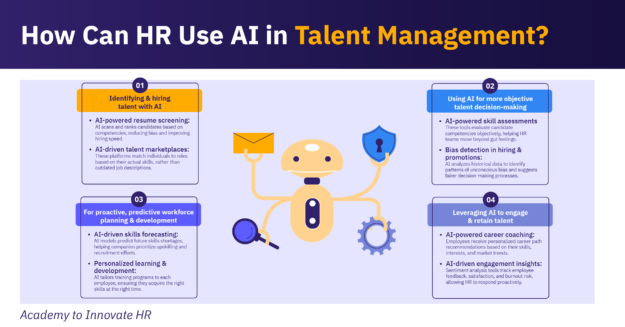
AI in Talent Management: Use and Limitations in HR
The global talent shortage is projected to reach 85 million people by 2030, creating an urgent need for organizations to rethink how they attract, develop, and retain talent. One approach HR can take to improve talent processes is to adopt artificial intelligence (AI) in talent management. AI in HR offers new ways to enhance efficiency,…
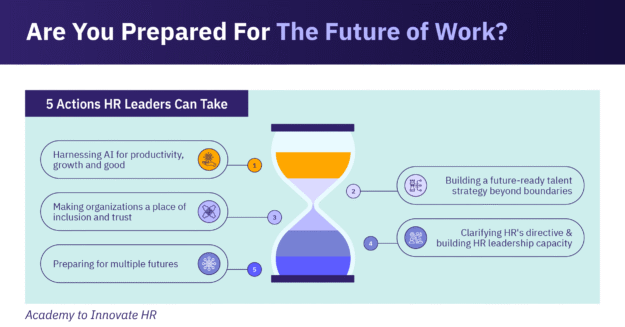
How To Prepare for the Future of Work: 5 Actions for HR Leaders
The future of work is here, and HR leaders need to take action to stay ahead. The focus is no longer just on jobs being lost or created but on a bigger shift: What will “work” mean in a world where technology moves faster than policies, sustainability is essential for businesses, and the workforce is…
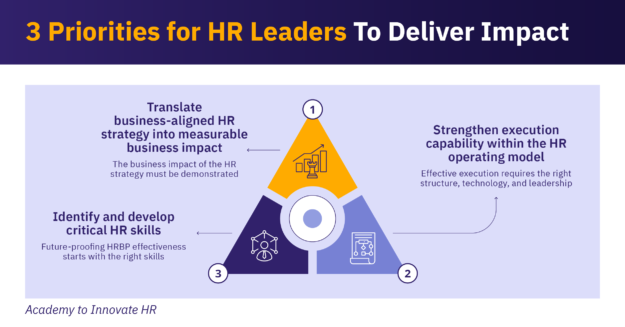
HRBP Model Research: 3 Priorities for HR Leaders To Deliver Impact
The HR Business Partner (HRBP) model has become the standard for aligning HR with business strategy. Yet, despite its widespread adoption, it often falls short of delivering its full potential. In fact, only 24% of organizations report that HRBPs actively collaborate with business leaders to design solutions. Even more concerning, just 15% believe their HRBPs…
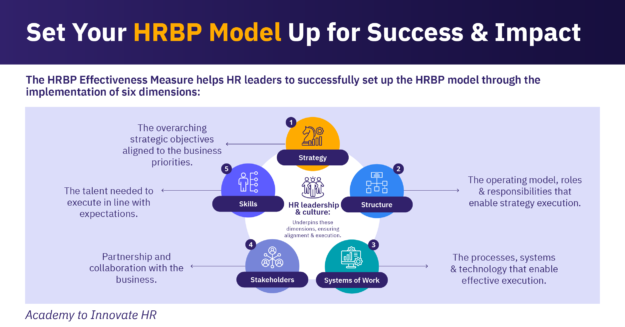
From Theory To Action: Implement Your HRBP Model With AIHR’s Effectiveness Measure
The HR Business Partner (HRBP) model has gained popularity for good reason. For organizations, it transforms HR into a strategic partner that addresses business challenges and contributes directly to organizational goals. For HR leaders, it offers the chance to drive efficiency, build credibility, and make an impact at strategic, tactical, and operational levels. But with…
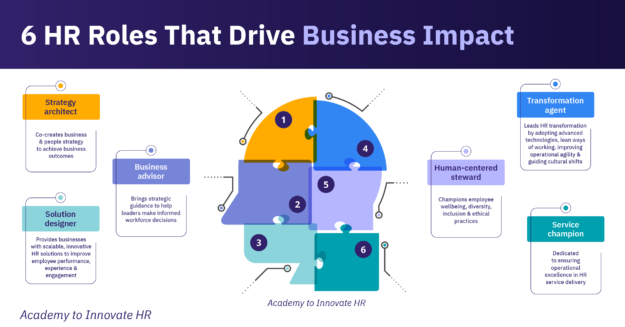
The 6 Roles of Human Resources That Drive Business Impact
HR impact has never been more critical in shaping the future of organizations. A recent study by McKinsey found that 90% of executives believe their HR functions need to reinvent themselves to meet changing business demands. This reinvention goes beyond merely implementing a new strategy and operating model; it requires thoroughly examining HR’s new stakeholder…
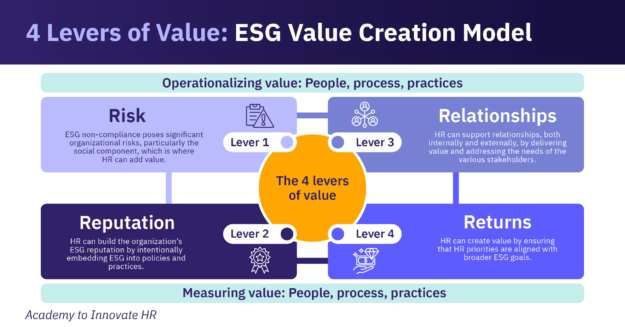
ESG Value Creation: How HR Can Create Value for the Business
ESG (Environmental, Social, and Governance) initiatives have become a primary focus for organizations over the last decade. Today, almost all companies in the S&P 500 (99%) openly report on and share their ESG focus areas and progress, showing how important these factors are for successful organizations. While 79% of business leaders recognize ESG as a…